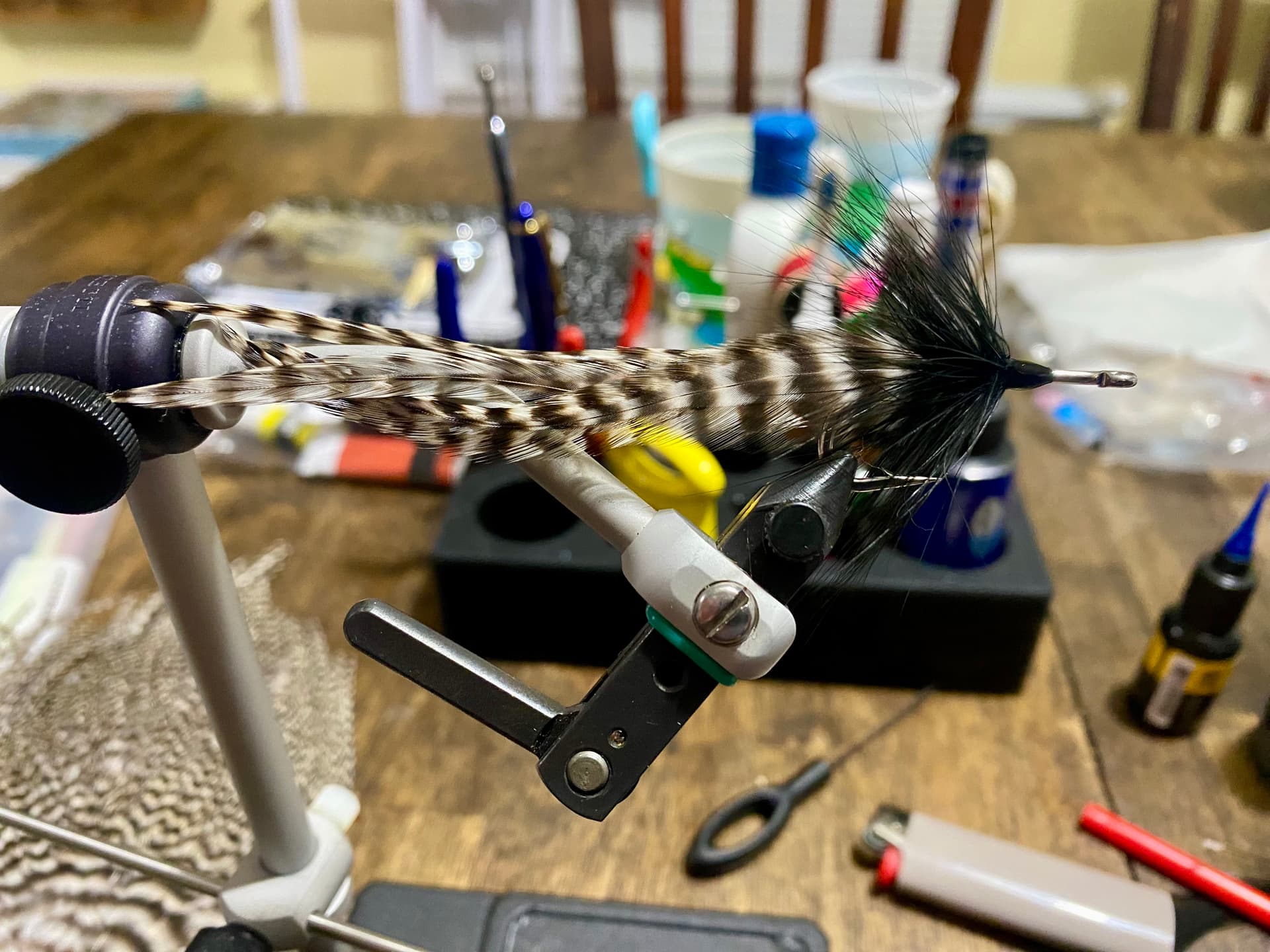
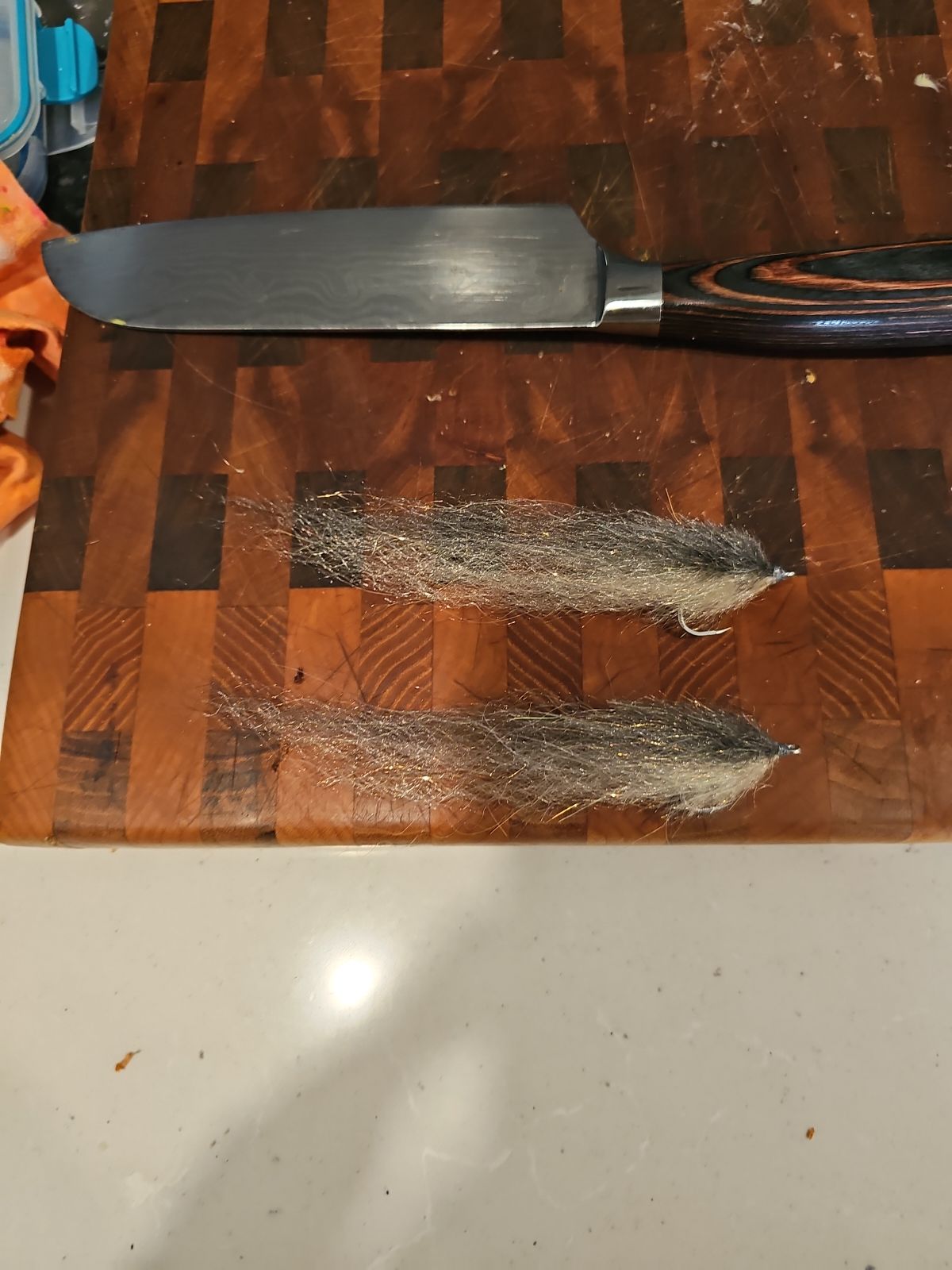
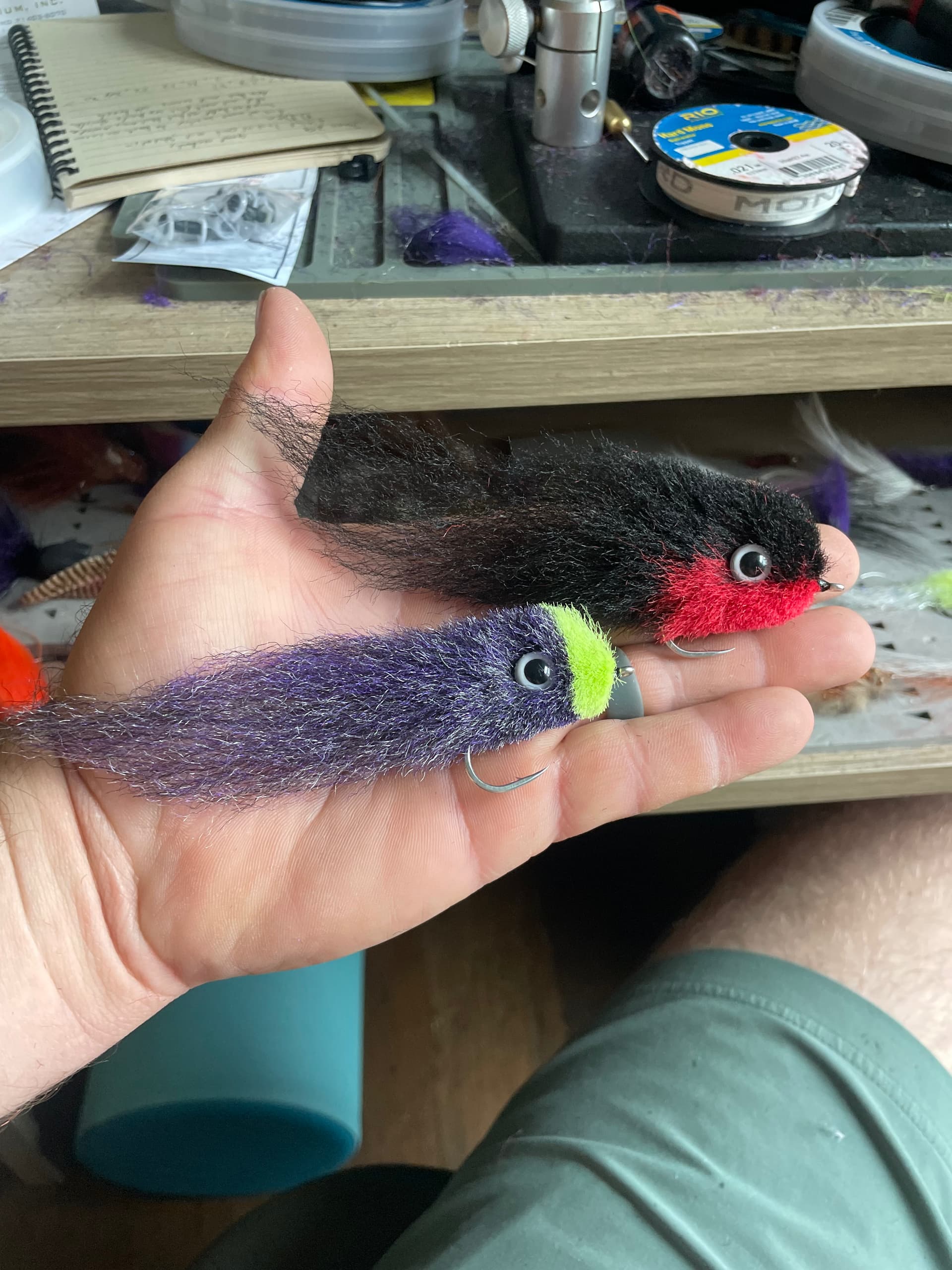
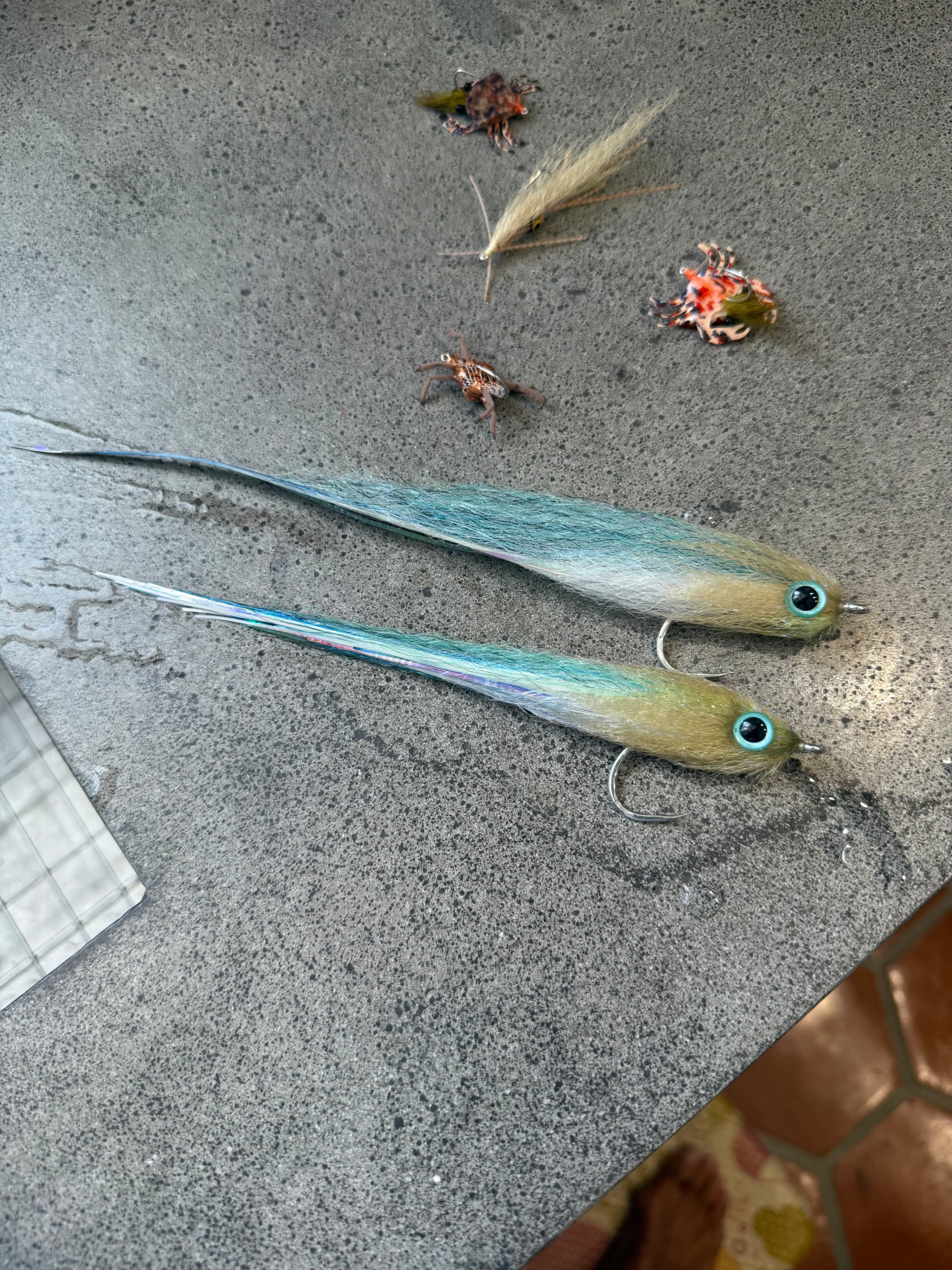
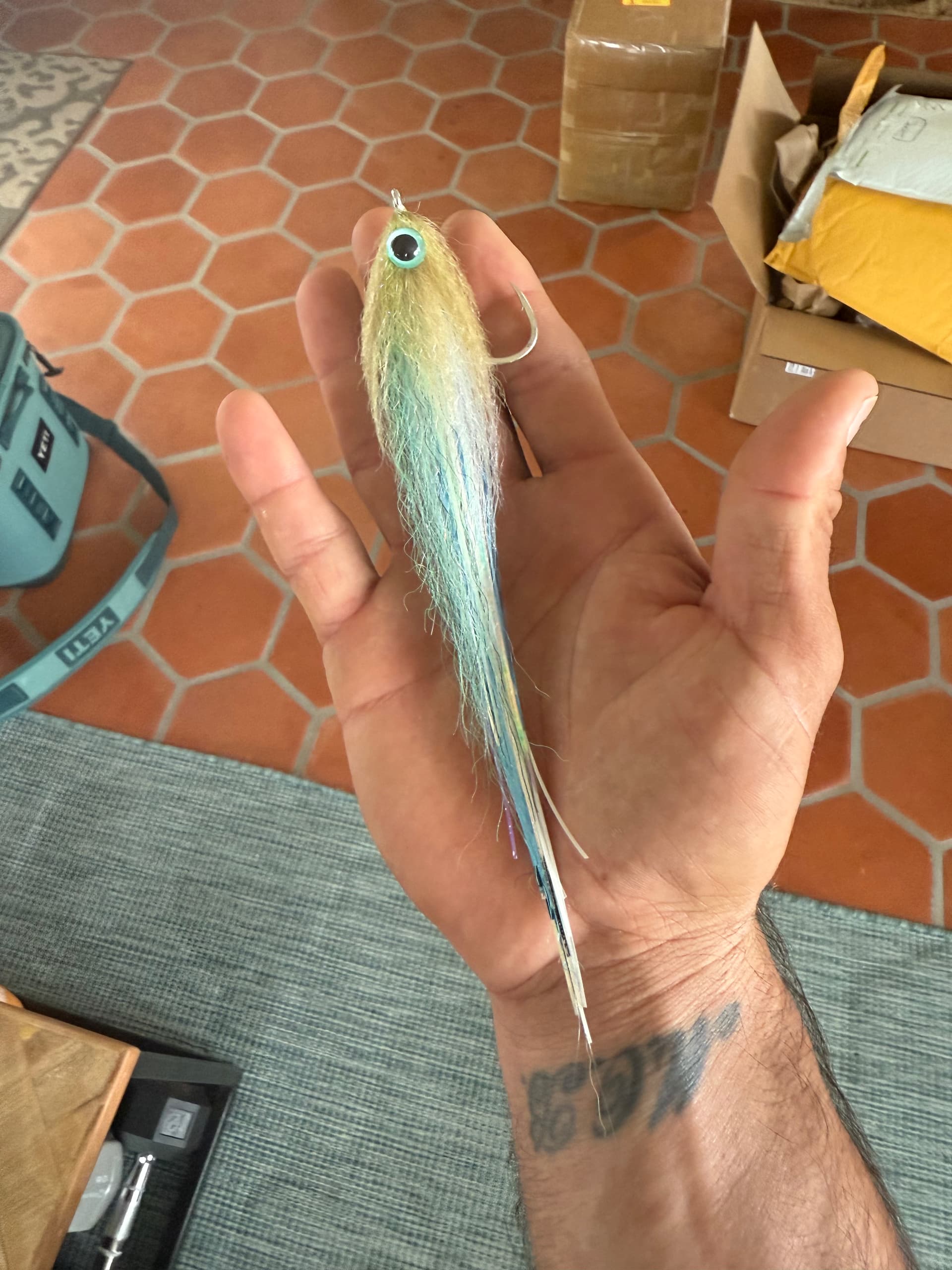
Ran into a full fledged mullet blitz yesterday. Big silver and sharks going absolutely apeshit on a few schools of massive, 12-20”+ mullet for a solid hour and a half. The blow ups sounded like rifle rounds. Mostly fished the perimeters of the schools but got it in the thick of things a few times. Threw the biggest, nastiest menhaden hollow fly I have but it was well off the mark in terms of size and shape. Chucked a similarly size popper for my last few casts for shits and giggles. All of this to no avail. All Ither boats around throwing artificial were equally unsuccessful.
So, has anyone spun up something to imitate these big adult baits? The only thing I can think to try that might come close is tying a mono extension beast hollow fleye but I’m not sure I’ll be able to get my hands on bucktail with the length and quality i’d need.
And then there is the question of whether it is even worth it trying to hook up on fly when there is such an abundance of huge bait? So, what say the collective? Anyone had success throwing flies in a situation like this?
Might be my best bet. Gonna have to get a little creative to keep it somewhat castable with my 12wts. The musky dudes I know who chuck those massive gliders are mostly using 2 hand rods with 700+ gr shooting heads.
I have had trouble getting them to pay attention to even a live bait when it’s like that. I usually handicap the bait somehow to make it look different. Maybe try an intermediate line and fish an EP mullet below the school…
Here’s two tricks that might work - from the bluewater world… Take your biggest fly (7” or longer with a big profile head…) but before you tie it in place slide a large popper head onto your bite tippet (either in “chugger” position so it pops or reversed to it’s in “slider” position so that it only slips along and doesn’t make much commotion… Once the head is onto the bite tippet, tie on your fly, then pull the head down onto the knot so it looks like one big sailfish lure… This trick was shown to be by Al Pflueger more than forty years ago at the Tropical Anglers Club, when I was a member… Way back when, Al had numerous world records to his credit and really did toss flies at monsters around the world…
The second “trick” is to not even try to get a bite from fish blowing up big bait… Instead, with a sinking line toss a big baitfish fly at the bait - then allow it to sink under the bait as long as possible - then work it very slowly like a cripple that got injured in the frenzy - and maybe, just maybe a really big fish will pick it up as a cripple… This is a long shot - but something we’ve succeeded at with big tarpon along the coast of the ‘glades and back up inside backcountry rivers.. every now and then
Big fish gorging on live bait are a tough deal… I’ve seen days when we couldn’t draw a bite with those same live baits when the fish are keyed on mullet… or other bait.
I have dealt with this same thing as the mullet migrations occur and the big 1-3 pound “roe” mullet leave the marshes.
I have tied up some huge EP flies but they are still not even close to the size of these mullet.
We used to whack them on Jawbreakers and Magnum Rapala trolling lures (for wahoo and tuna) but I don’t use them anymore due to the multiple trebles. I am sure you could hang single hooks and do well.
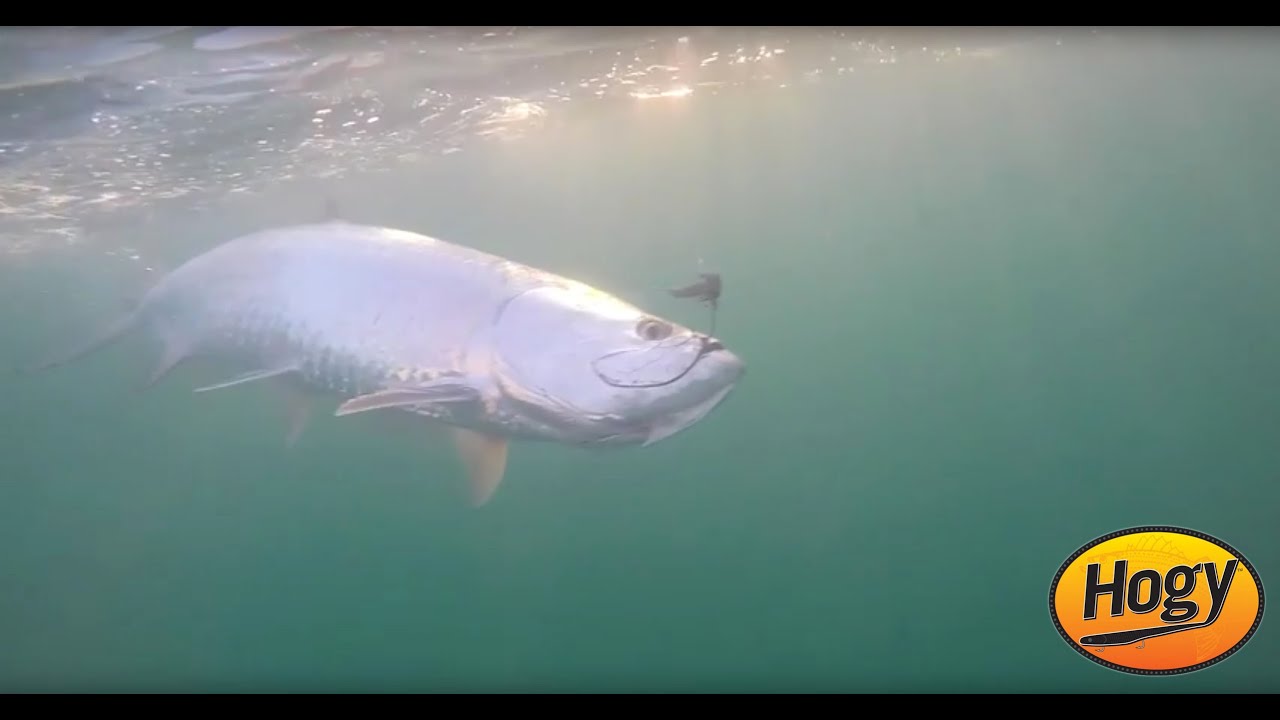
BUT- I found giant Slug-go and Hogy jer k worms. (had to space the K out since it was censoring the word all together!?!)
It is not fly fishing- but they seem to drive Tarpon crazy. Black, white, and Pink are my go to colors in my area.
You need to get the giant Hogy worm hooks to go with them though.
Beasts were my first thought too, but since these blitzes are more shark than anything, a mono extension probably isn’t the move. I’ve got some 24” SF-esque fiber that i’m going to use to tie a sedotti slammer. I’m going for something in the style of Ian Devlin’s huge bunker imitations but with the fibers more evenly distributed for a rounder, fuller, more mullet-y profile.
This is awesome. Both the tip and the fact that its coming from you via Pflueger. I’m definitely going to pick up some of those turbo poppers to stash away. I can think of some other situations where they’d come in handy, too.
Sometimes you want to work it fast with quick twitches (one or two twitches per second) and rod held high…
Other times I let it sink down below the surface and bait schools- and do a slow but hard twitch with a longer pause (3 to 4 seconds between twitches).
It is super effective and there is NO doubt when you get bit.
Edited to add….Just realized what you were asking.
Yes, they work for tarpon in holding patterns as well as when crashing bait.
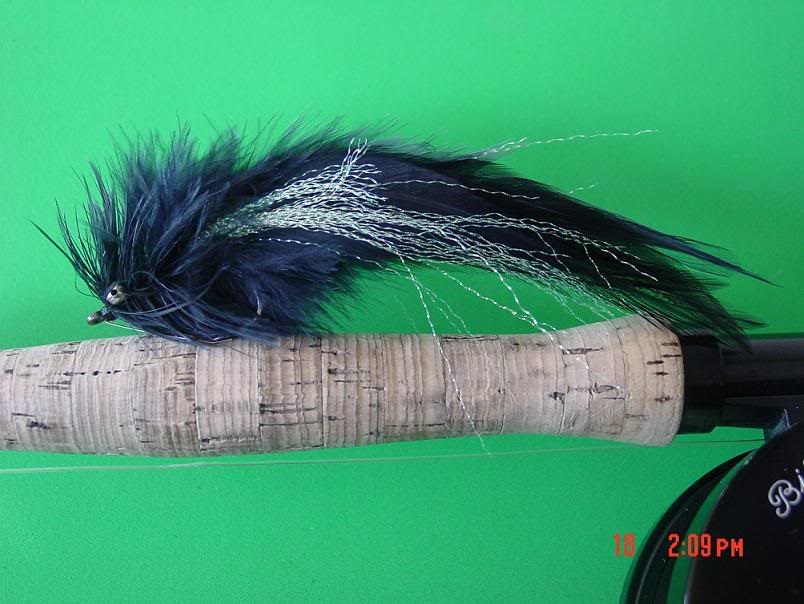
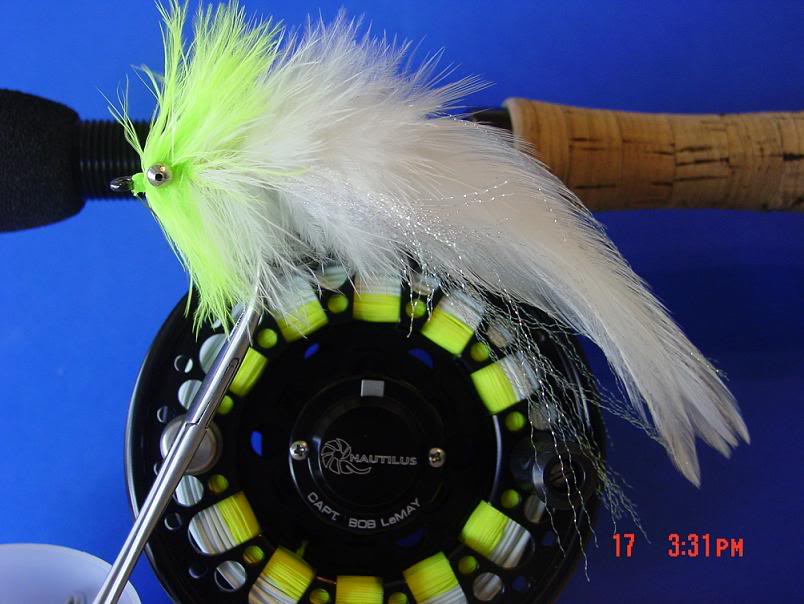
For anyone who hasn’t figured it out… my Tarpon Snake pattern that I’m still drawing royalties on… is nothing but a worm fly - extended and done up with all saddle hackles and big beadchain eyes. It’s taken big tarpon, GT’s and other big hungry fish - worldwide since the late eighties when I tied the first ones for Randy Towe (and was told never to show them to anyone….).
For those who’ve never worked a dredging pattern, it’s worked deep and across current using slow, long strips with a tiny twitch at the end of each strip.. Never give up on it as long as it’s in the water… More than one angler with me has gotten bit - so close to my skiff that the fish actually hits the side of the boat - and my angler gets a bath to go with the surprise…
They work in every color we’ve tried at one time or another - an all saddle hackle pattern with eight saddles for the tail and as much of the “fluff” at the base of the saddles left in place as you palmer up a body… Every one comes with a wire weedguard - the fish never notice it at all…
That’s the rub - and the reason most new patterns are being done with synthetic materials. Long story, shortened down… Most all of the feathers we use fly tying come from chickens - and bulk feathers (dyed, bundled and strung at the wholesale level…) come from China, India, southeast asia, etc. Troubles with disease, politics, etc - have greatly restricted the easy shipping of these items (and when they get here our customs will impound and destroy any that show “bio-contamination” (any body fluid traces, blood, etc.) in an effort to control potential disease pathogens in an era with covid, SARS, etc. Imagine a wholesaler buying a barrel of feathers for $4 to 7,000… Paying up-front both the cost to purchase and the shipping - then finding out three months later that your shipment was impounded at the port of entry and destroyed by Customs as contaminated…. with no compensation at all - and the only notice coming a month or two after they destroyed your materials…
What I always used to order over many years were strung saddle hackles and strung neck hackles for tying up flies for the salt (inshore, offshore, from small to large…). Strung hackles are sold by length, 4-6”, 5-7”, and weight (1/4oz, 1/2, 1 oz, up to by the pound (a pound of feathers will last twenty years for a commercial tyer in a given color - if it’s good quality feathers… These days good, high quality feathers are hard to find - and “genetic hackle” - birds raised specifically for their feathers, quite expensive….
Because I was tying commercially for many years - I still have a very good supply of all the feathers I need - but when I look in fly shops - it’s just not particularly encouraging…