2025 Skiff Lineup/Drafts

Jumping in briefly: this thread has a ton of good info, and we’d love to keep it focused on gathering data rather than drifting into endless debates.

Pros, owners, builders — all perspectives add value. Let’s just stay focused on the purpose of the thread so it remains a solid resource for the community. Thanks for keeping it positive.

7 Likes

100%! I’m not bowing out anytime soon. I’ve got nothing to lose and, truth be told, I love to :poop:-talk. My old station’s unofficial motto was, “Never let anyone leave here feeling better than they did when they arrived.” :joy:

1 Like

I never got an answer either, I asked what size human was he using for his claims

First & foremost I agree 100% of what you wrote and for that thank you. Secondly, going on 23yrs of owning ECB and being the oldest skiff company left under original ownership many on here ought to ask what did he actually write?

So below is a copy of what I wrote.

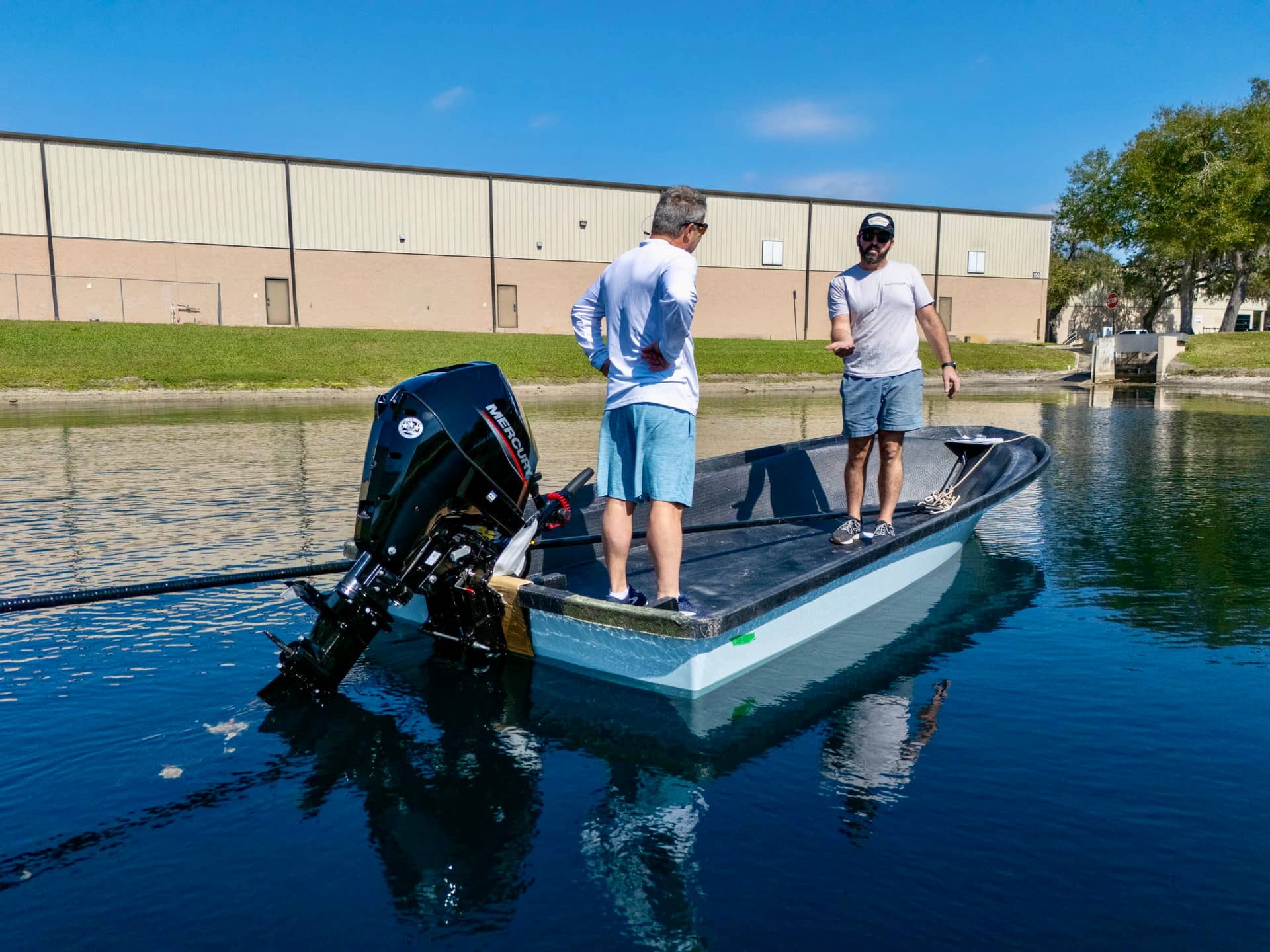
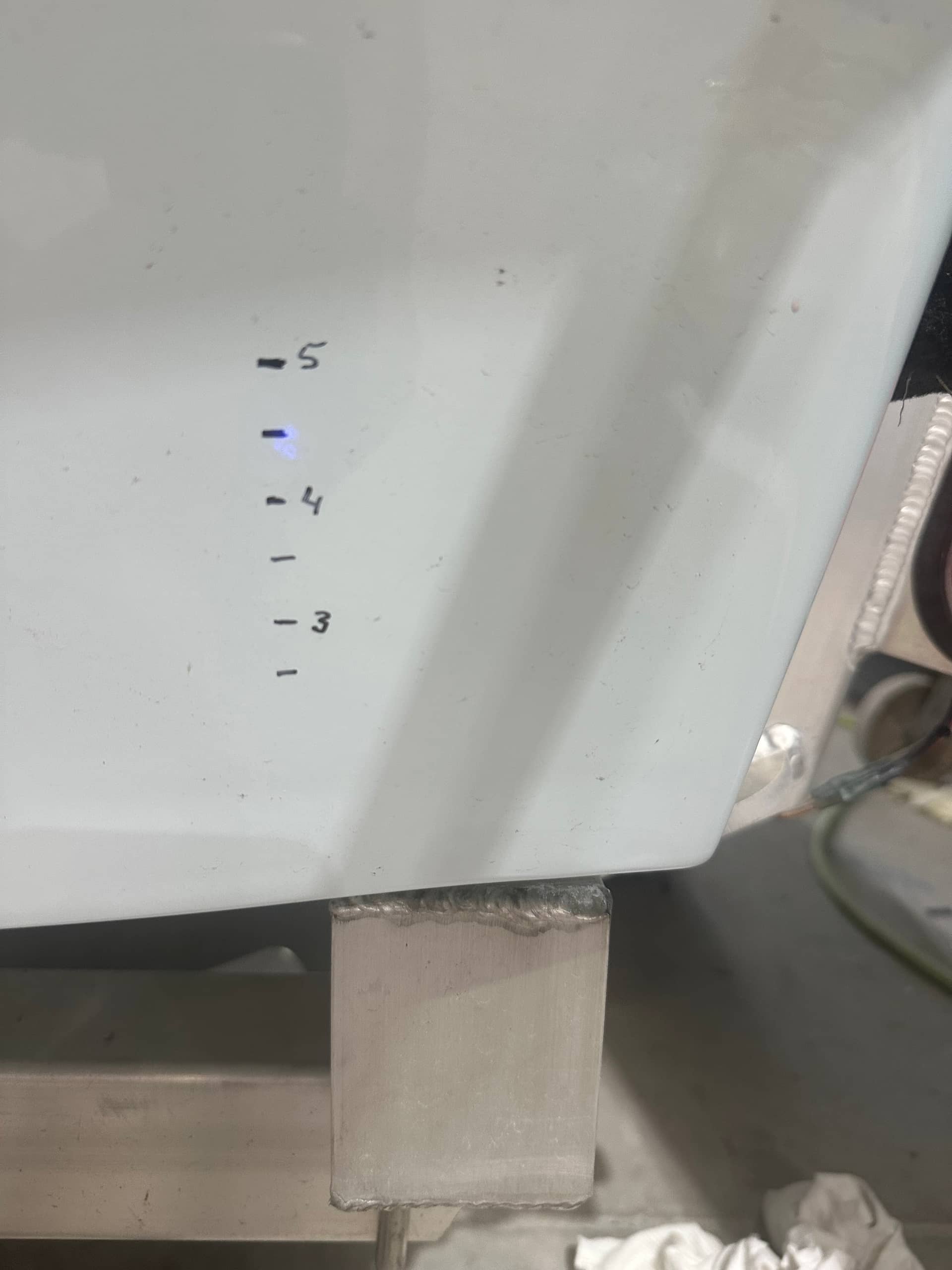
Now that you see 2.75”-3.25” on the light side and 4-5” being what most will be the question you should ALL be asking is whats the build? But nope…I read all these comments. Even had someone try to educate me on math. Another on physics…

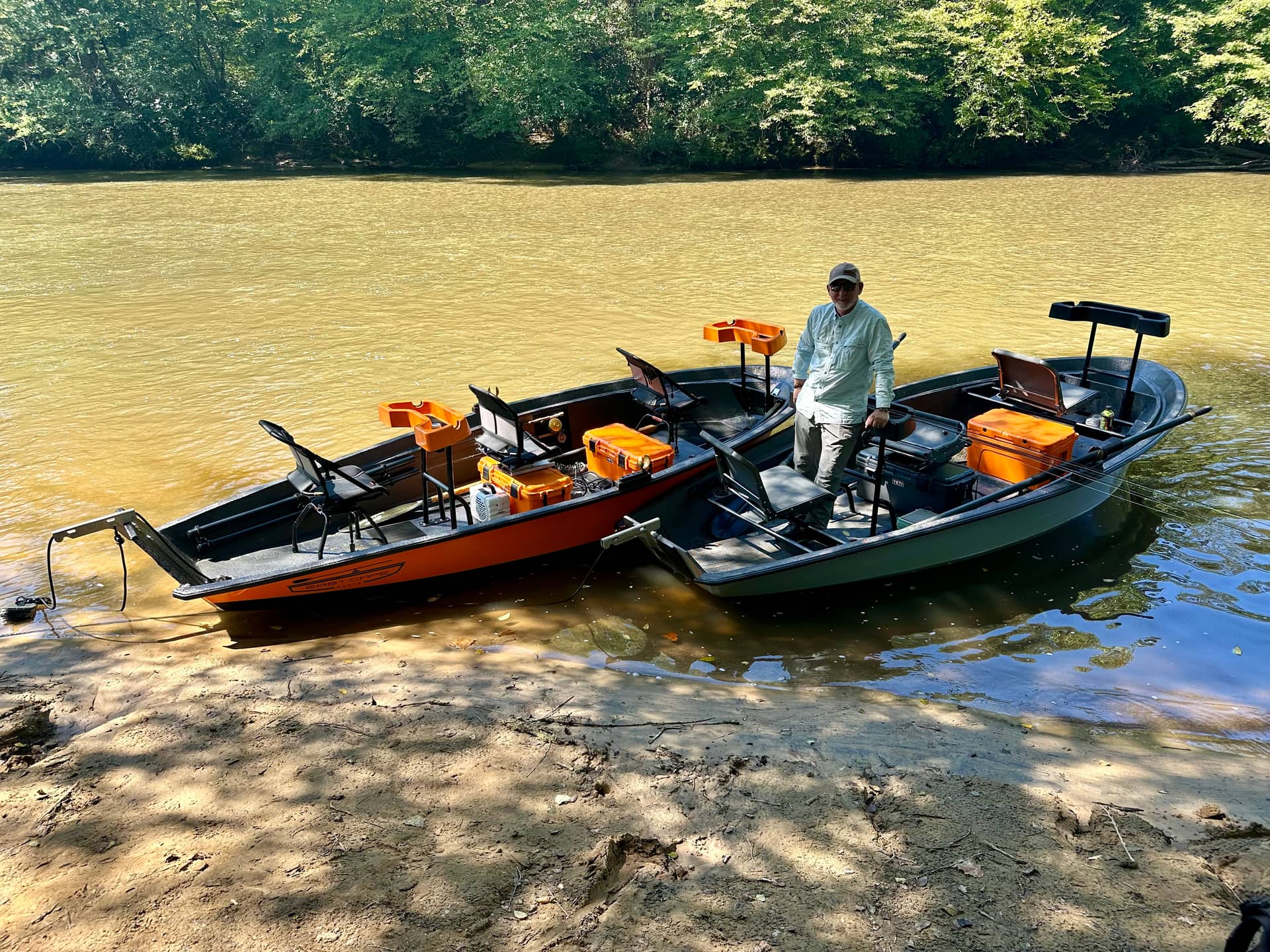
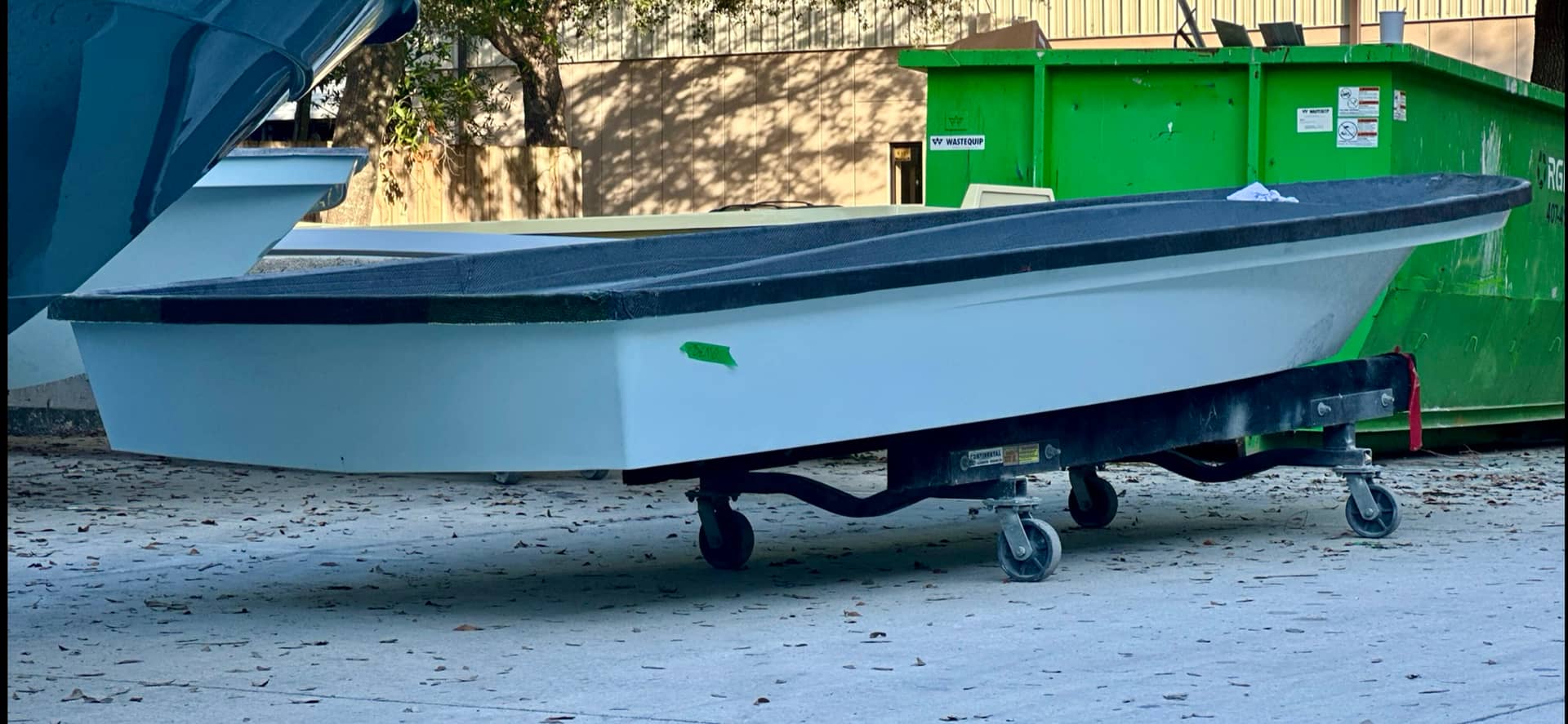
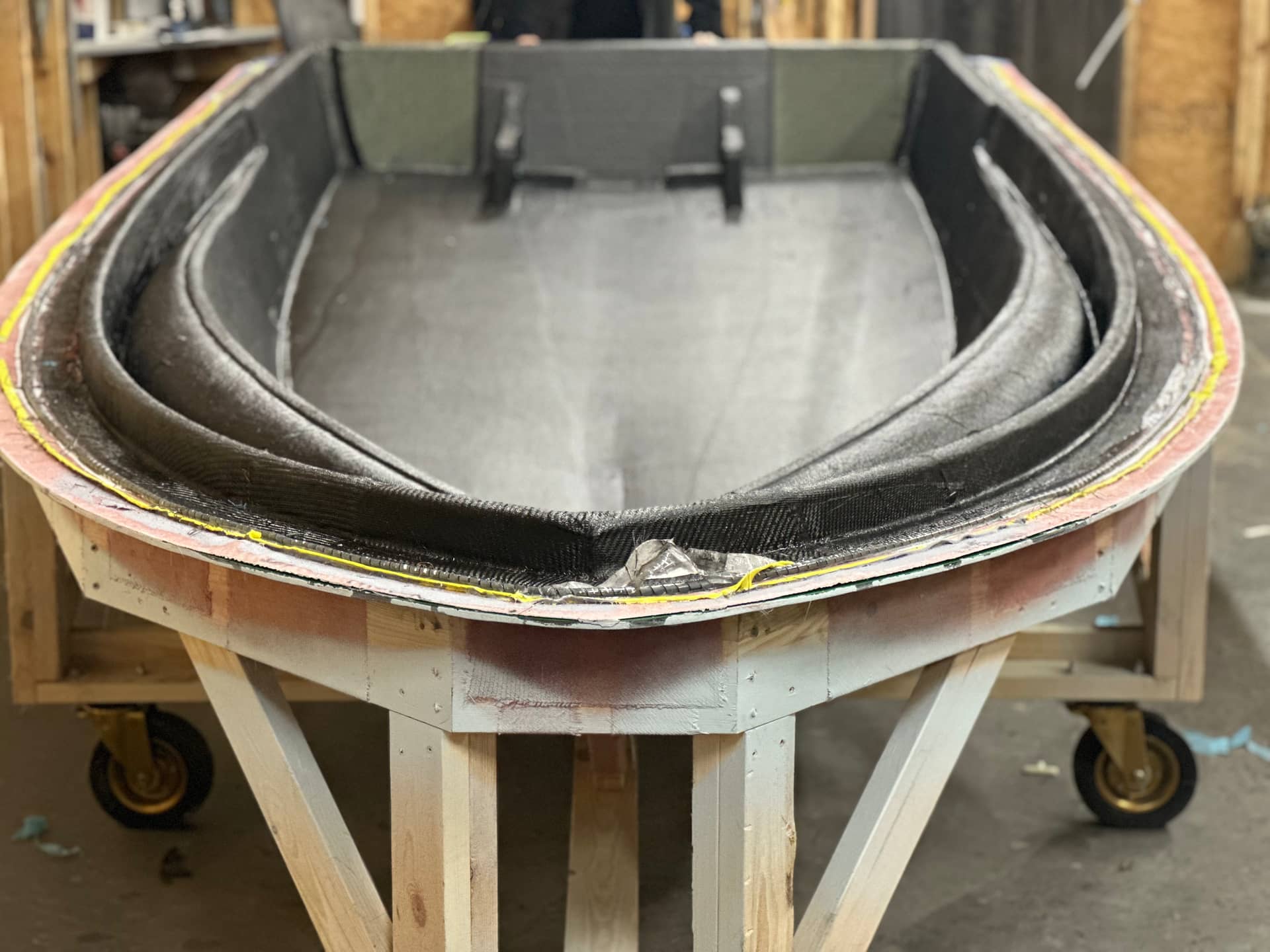
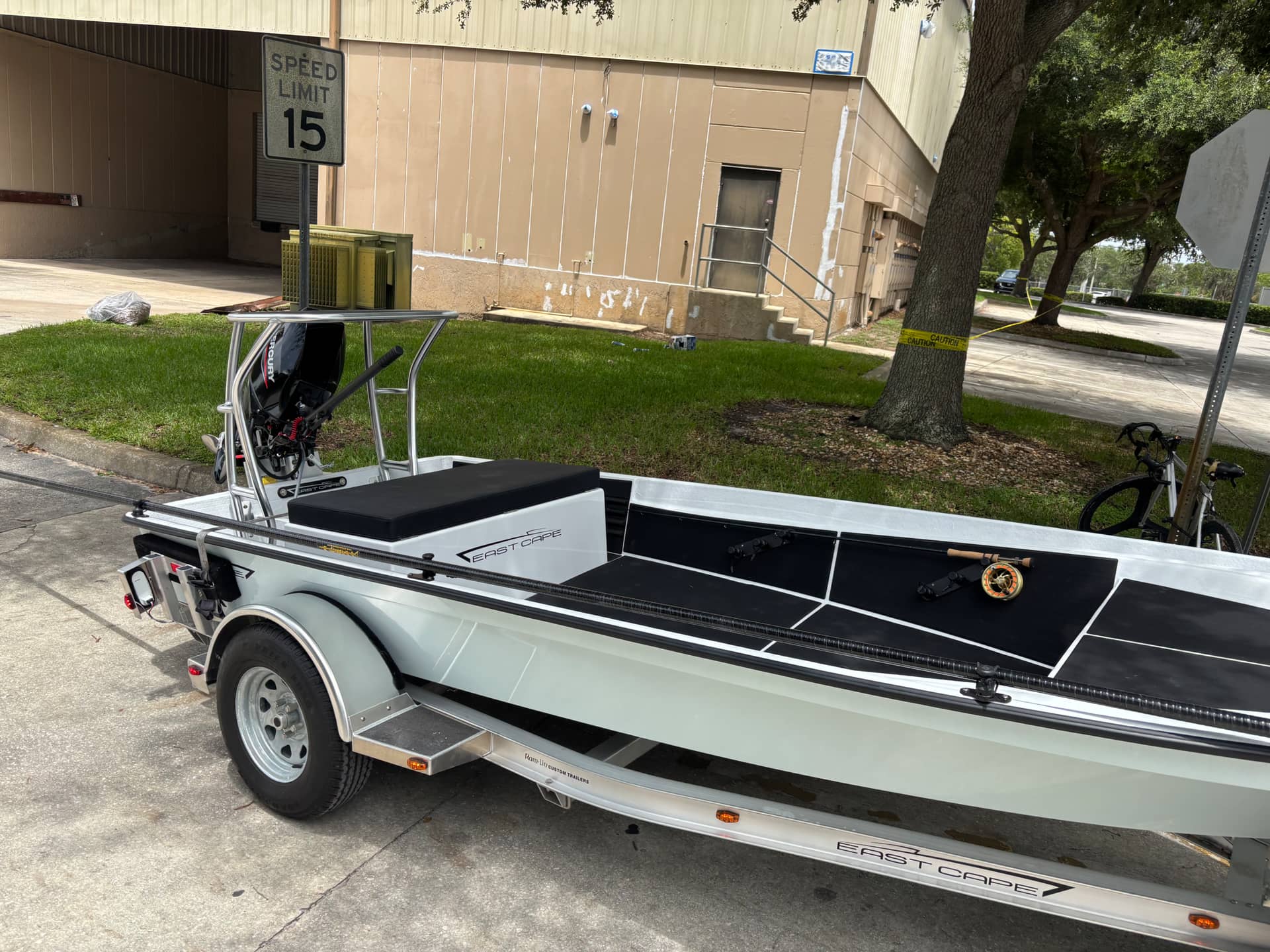
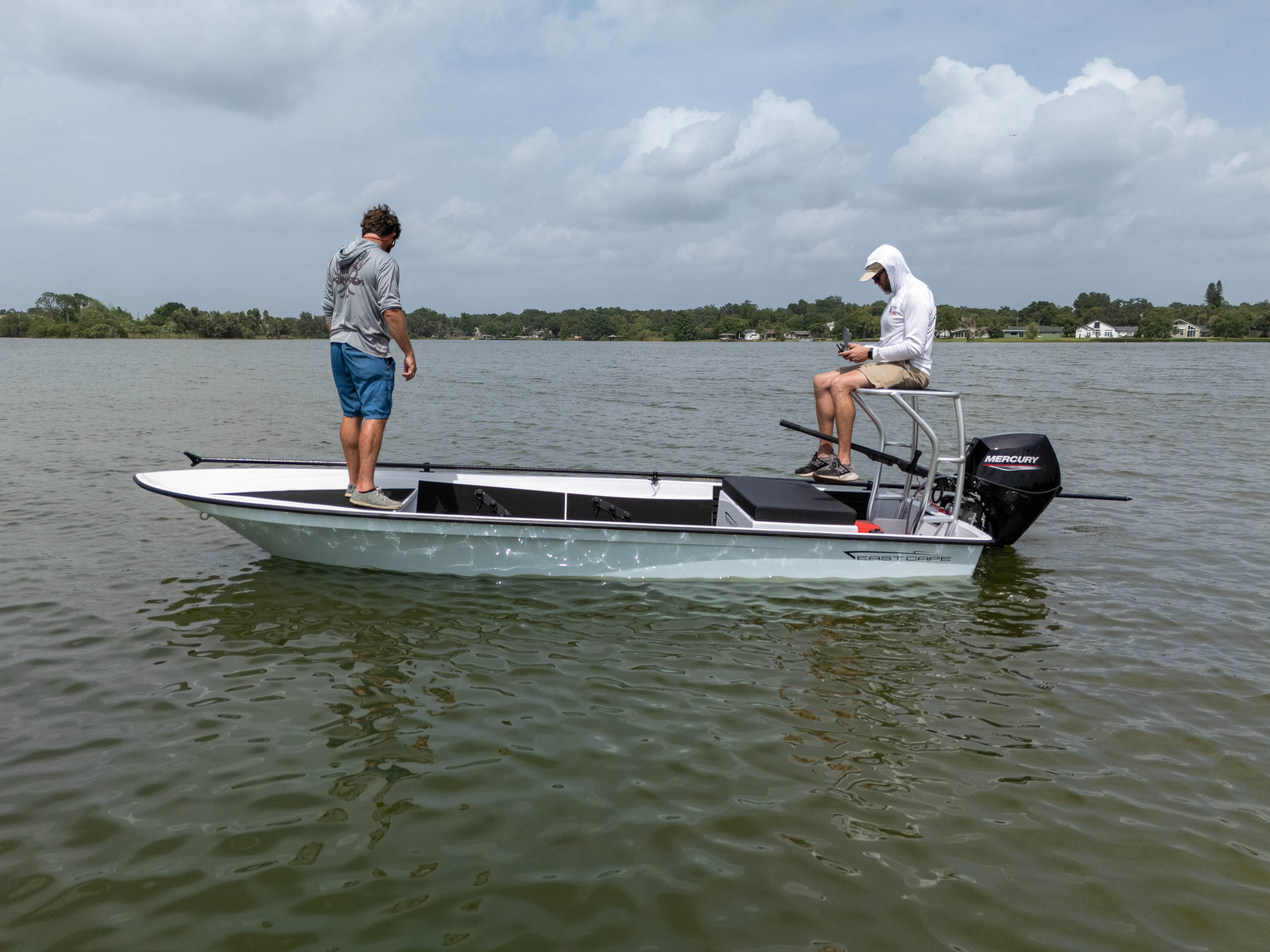
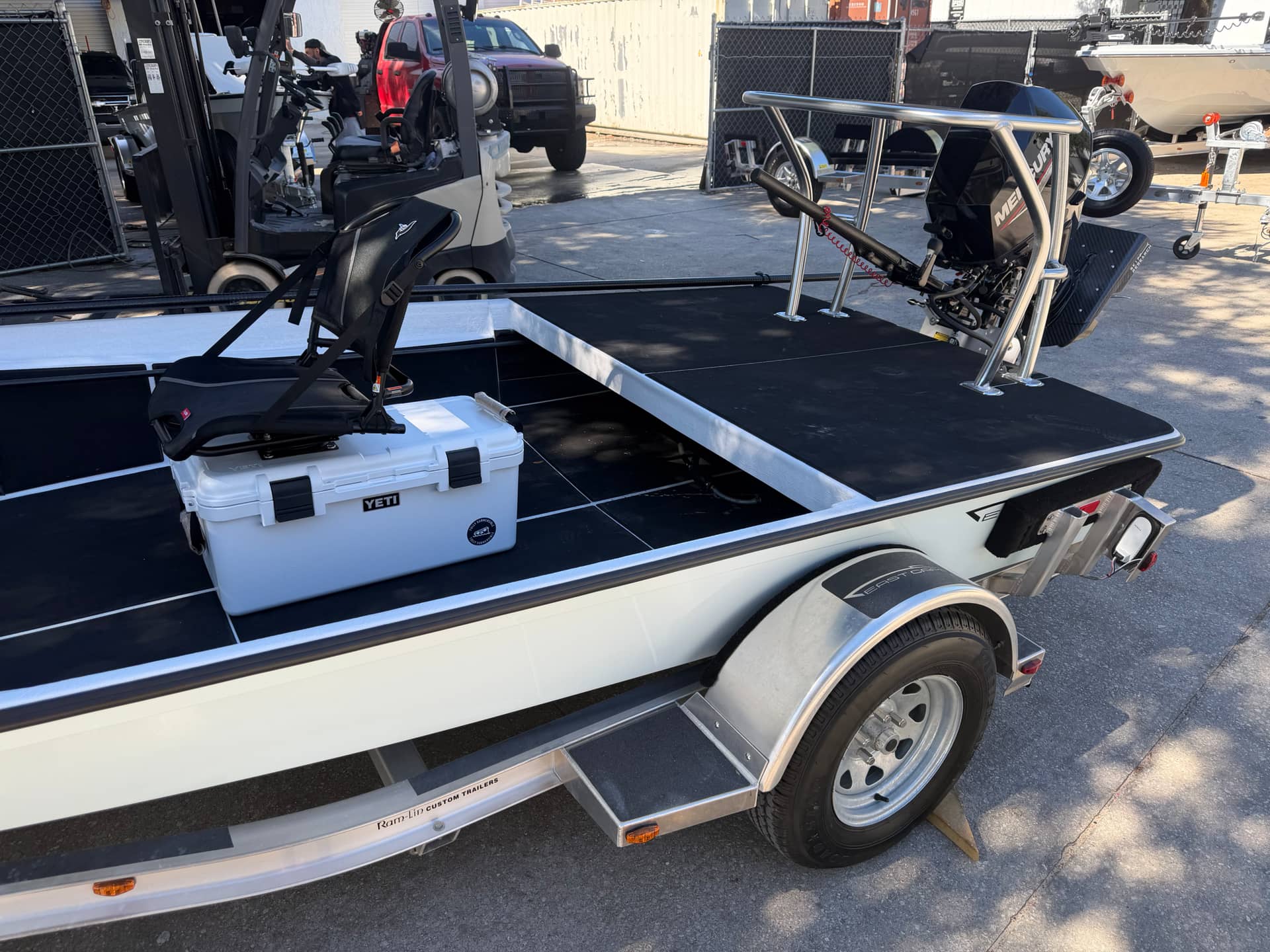
Fellas, we took the 17’ EVOx hull and gave it a different layup than our normal 17’ series. Took out all the fluff like tank, lights, liner, etc.

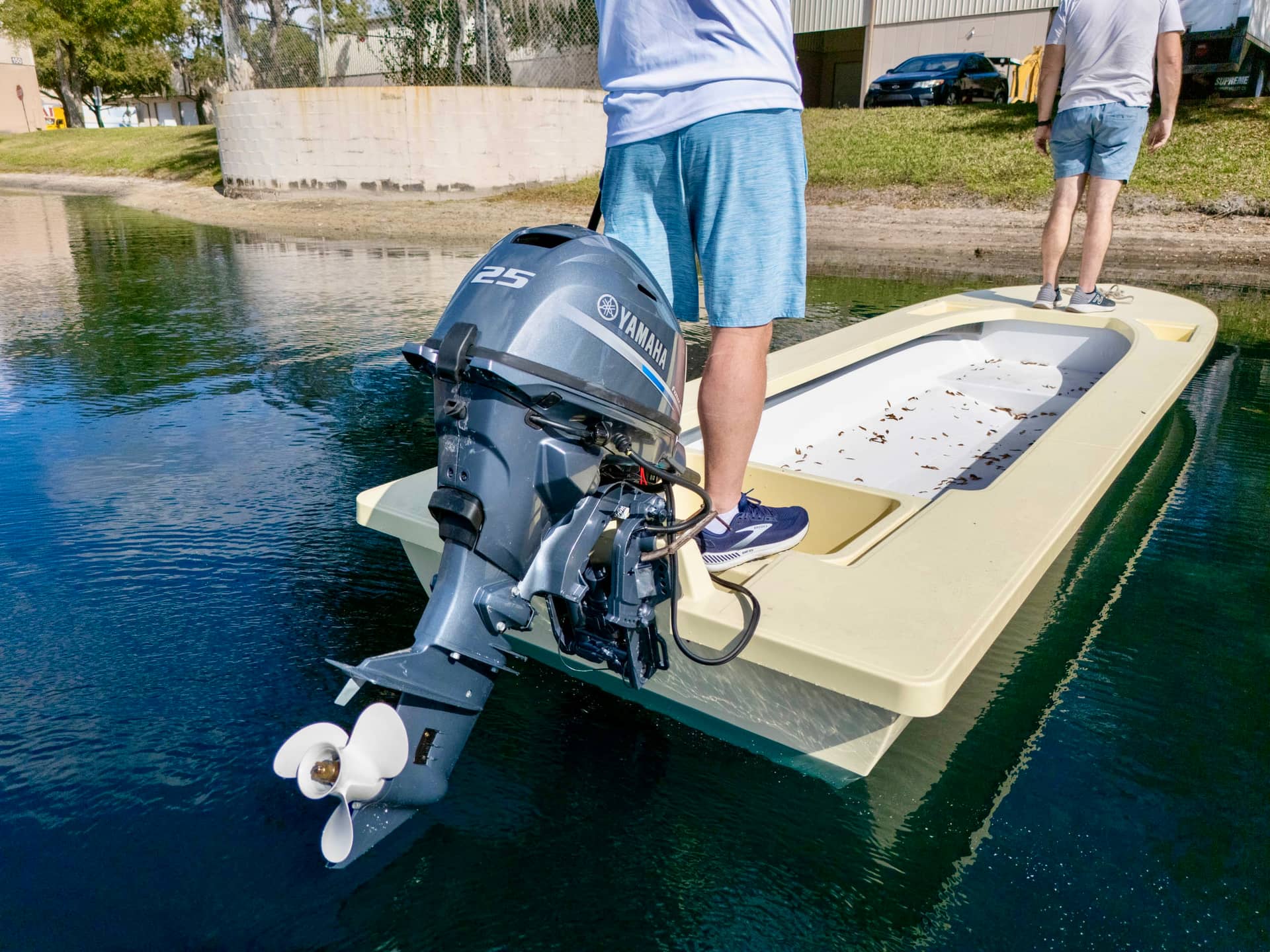
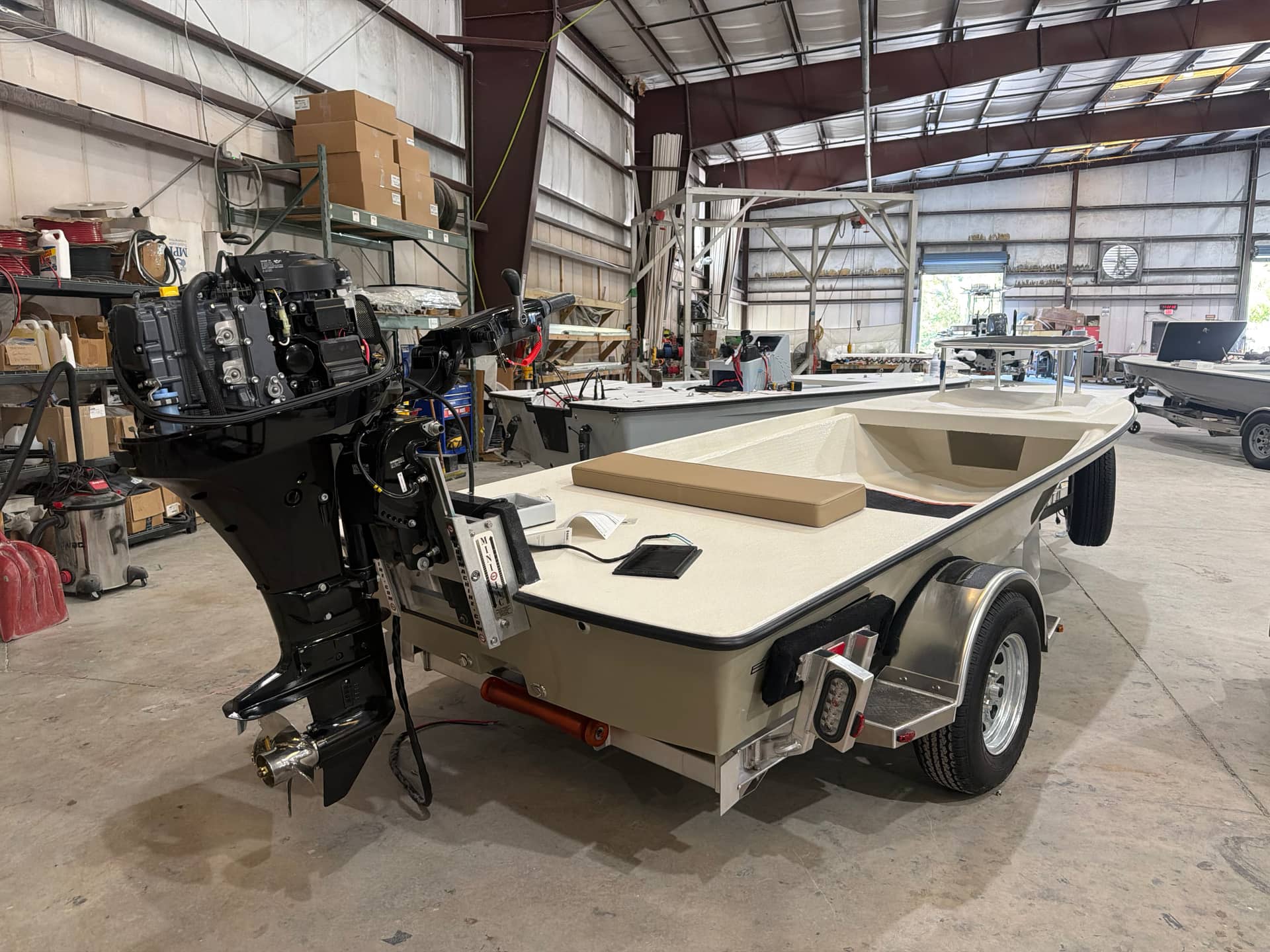
In doing so the hull weighs have been 225, 249, and 289lbs for prototyping for different uses. Also want to mention the whip/CF hull can fit inside this hull. We are wider at the waterline in front and back. Add a 15-20hp motor, set of oars, and bench or mini decks and you have a hull that can slide over shallow river rock and become a power drifter like our DRIFT.

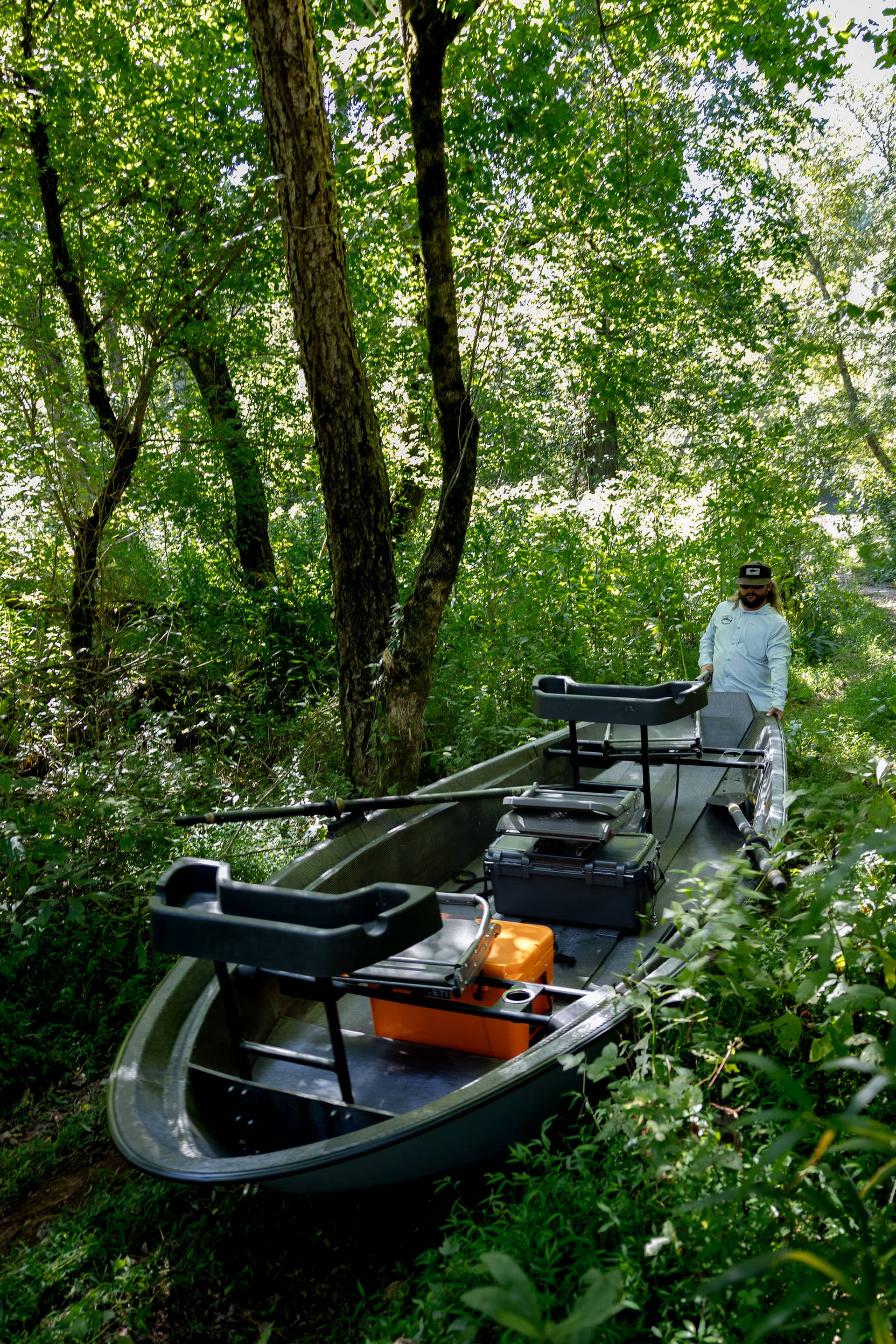
I will drag this skiff to water just like we did on video with the DRFIT.

Yes, no fish in 2.75” of water but isn’t it nice to float in it so you don’t have to step out?

CF is advertised at 3.5-4” loaded off a blog. So if thats written why cant you all beleive we can be .50-.75” shallower on a lighter and bigger hull with less? No replacement for displacement!

Now I’ll also say it’s clear there’s always gonna be those that wont agree/beleive even when showing pics or video simply because they dont like me personally or the company. I’m ok with that…choices are good.

This post was for those on this forum that want to truly see what a hull can do when you change it up annd think outside the box…aka SWTICH it up! Been doing this a long time and been around for 31yrs consecutive in the fishing and marine industry. I certainly have pics and vids to share. I also want to say thank you to all the texts and calls off the forum in support but I felt I had to reply as its clear many on this thread passed judgment without knowing what was the driver to get the draft…

On a personal note I could care less about draft and more into comfort but for those fishing in NC/AR/Rocky mountains etc we wanted to fill this niche and get into the crossover market and the 17 platform was the foundation for it.

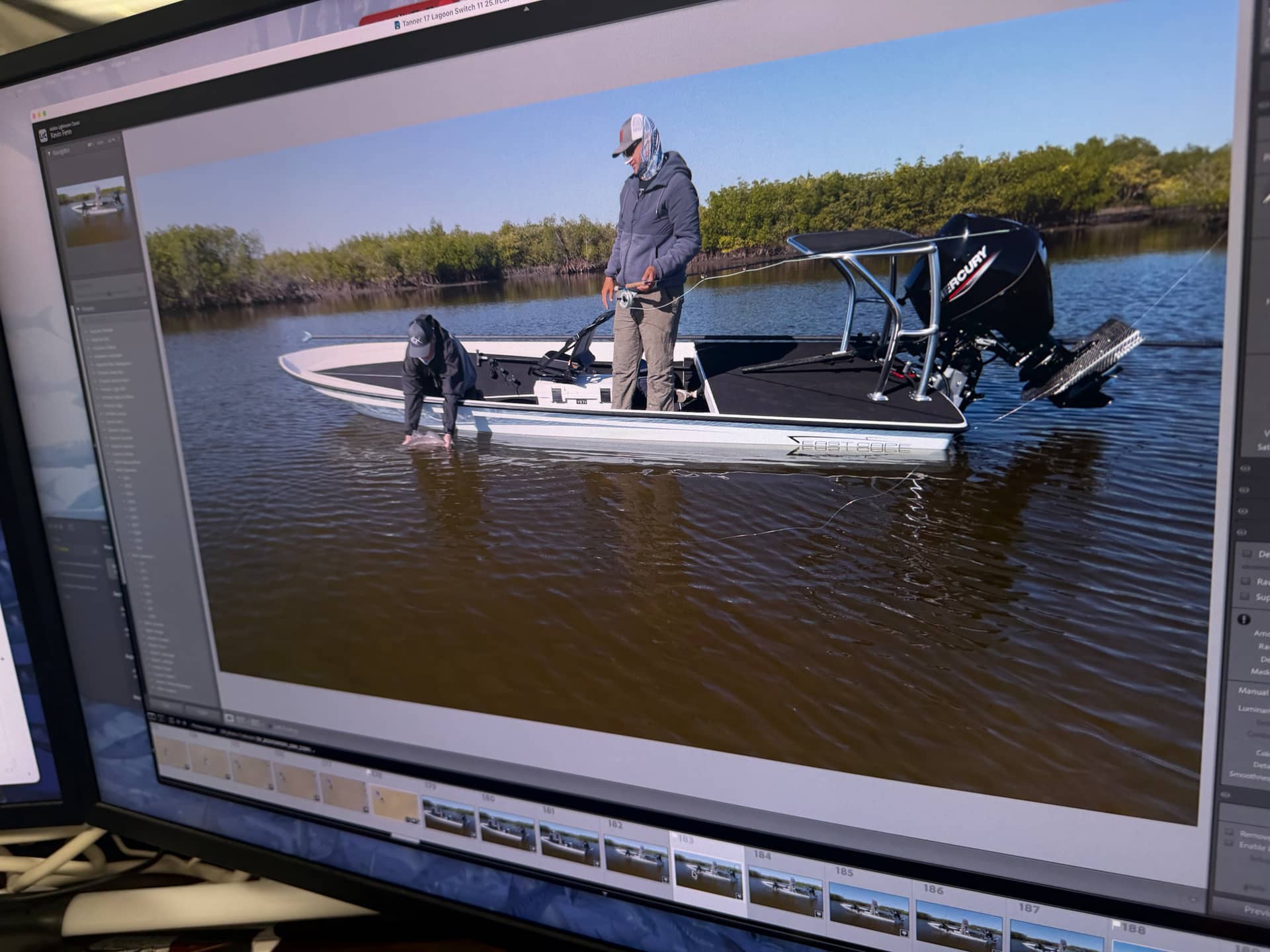
And for kicks since 2003 we’ve been doing this:

And this was a special GLIDE we built as well.

Tasks care and I hope you all will enjoy the upcoming pics and vids of a skiff being dragged, rowed down a river or poling a south TX flat or hoping as a tender on a sport-fish headed for bonefish…

~ Kevin

7 Likes

2 Likes

Where to start. @Chris_Morejohn approach is solid. The ONLY way to truly do this is is to show the CAD modeling. I’m not saying this is what anyone does, but folks, I can put tape on the stern of my skiff, put a 350 lb dude on the tip and a 175 dude on the back and Shazam , I’m drafting 5” or whatever according to the tape. The following happens pretty much every single trip I take. I push onto something and I can’t push anymore. The it starts. “Hey step back a couple of steps and let me see if I can get us off.” Or “hey, step forward a couple of steps and see if I can get us off.” In other words, there is the sweet spot where everything is balanced out just right and I argue that it rarely happens when just casually poling. My skiff is capable of a little over 5” of draft with full size dudes but I would guess when we are just poling along and the cooler may be off to one side or the guy may be standing further back , that there’s a given spot or corner on my skiff that is close to 7” draft. So, getting back to the subject at hand, the CAD drawings don’t lie. And there’s no way anyone is going to copy a skiff based on any of Chris’s line drawings with displacement numbers. If I wanted to copy a skiff, there are other ways I could do that. So any builder can post up their CAD calculations, if they wanted to.

5 Likes

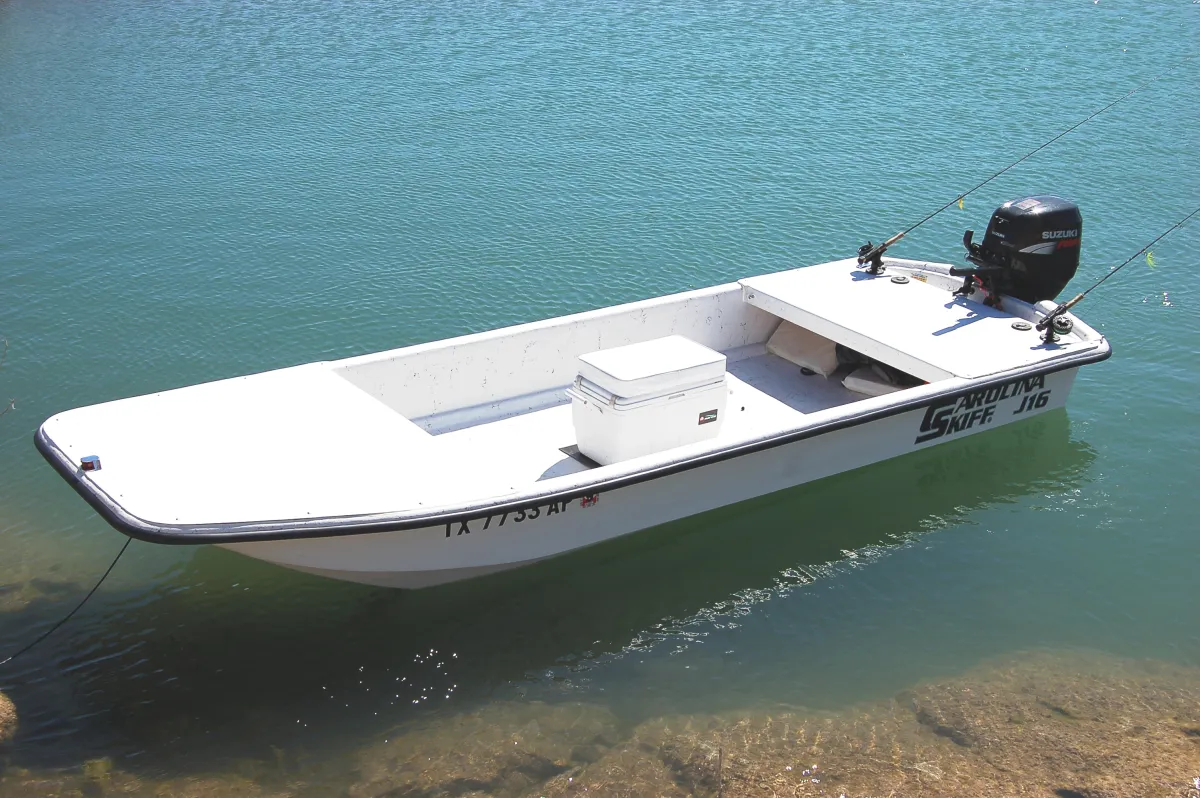
The J-16 hull above is listed at 350lbs. Add in the deck weights, fuel, gear, and engine weight and she’s likely pushing 800lb. The boat above is drafting right around 6”. At this draft, that hull should be displacing roughly 1,500 lbs though! I’m guessing there may be some moist foam or I’m seeing a bad angle on the pic and she’s bot sitting down to the upper chine. Either way, it’s a good example of displacement and fairly easy to calculate the displaced volume and weight.

1 Like

There are several skiffs available nowadays that draft and run skinny enough. Seems like a real concern would be how any hull handles oysters. And of course a skiff that can run in 3” is NOT going to ride like a 12 or 14* hull for open water runs. Here in TX, the oyster thing is real. Yes the boat can float in 5 or 6 inches, but the oysters are 1 inch under the water, and a hull will get munched quick. It may be worth trading an inch of draft to have some serious hull resistance to underwater hazards. I have had boats that would run that skinny, scooters and carbon fiber poling skiff, and paid for running like that many times.

Just another point of view. A great skiff can do most of what is needed for any given area being fished. The “perfect” skiff is unobtainium? maybe…

There are numerous skiffs available now and most (several?) will get the job done in 6” or less draft. Good times for skiff technicalities and performances. They are all expensive. No need for bashing any builder or person. As usual, the trade-off is price vs performance. Assessing that performance now is a pertinent point for the prospective buyer. With the consideration of “will a builder build me a skiff that will do what I need it to do?” Like transom extensions to get that motor jacked up like it needs to be to run skinny. Some will, some will not. There is more than just draft to consider. just sayin…

2 Likes

Agree. I’m a fan of coatings on hull bottoms such as polyurea as its tough, easy to repair if need be and weight is minimal for purpose.

2 Likes

Thanks Kevin.

4 Likes